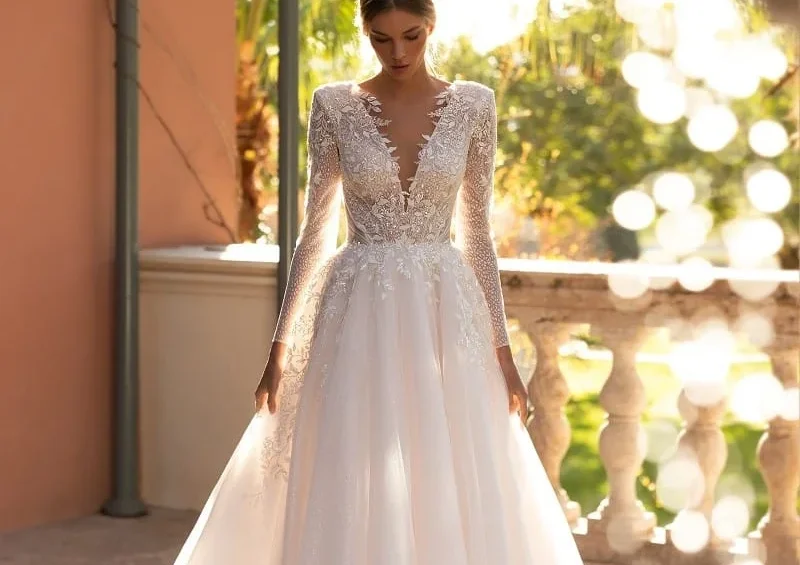
Your Wedding Dress Dubai is more than a garment—it’s a tangible connection to one of life’s most beautiful moments. Whether you plan to preserve it as a family heirloom, repurpose it into other items, or simply keep it as a treasured memory, proper care before, during, and after your wedding ensures your dress remains in excellent condition.
Pre-Wedding Care
Proper dress care begins before your wedding day. When you bring your dress home from Nurj Bridal after final alterations, store it correctly until your wedding. Keep it in its garment bag, hanging in a cool, dry closet away from direct sunlight. Never store your dress in plastic dry cleaning bags long-term, as they trap moisture and can cause yellowing.
Ensure your dress hangs properly supported. Use a padded hanger that supports the dress’s weight without creating shoulder dimples or stress points. If your dress is heavy, consider hanging it by interior loops (which your seamstress can add if not present) rather than by delicate straps or shoulders.
Avoid storing your dress in humid areas like bathrooms or damp basements. Humidity promotes mold and mildew growth and can damage delicate fabrics. Similarly, avoid very hot storage areas like attics where heat can degrade fabrics and adhesives used in embellishments.
Handle your dress minimally and always with clean hands. Natural oils from your skin can create stains that become more visible over time. If you need to try on your dress before the wedding, do so carefully, ideally with assistance.
Wedding Day Protection
Your wedding day involves significant dress wear—you’ll sit, walk, dance, eat, and celebrate for hours. While your dress should withstand all this, small precautions help protect it throughout the day.
Appoint a trusted bridesmaid or wedding coordinator as your dress guardian. This person helps manage your train, bustles your dress after the ceremony, and watches for potential hazards like spills or tears. Having someone specifically responsible for dress care throughout the day prevents damage.
When eating, use napkins generously and consider a large napkin or small cloth across your lap to protect against spills. Many brides choose to change into a simpler reception dress for dinner and dancing, preserving their ceremony gown from food and beverage risks.
Be mindful of your surroundings. Outdoor celebrations can expose your dress to grass stains, dirt, or even small tears from rough surfaces. Indoor venues might have sharp corners, rough walls, or abrasive carpeting. Awareness of your dress’s train and skirt prevents accidental damage.
If your dress gets dirty during your celebration, blot (don’t rub) any stains immediately with a clean, white cloth. Rubbing spreads stains and embeds them deeper into fabric. Don’t attempt stain removal beyond gentle blotting—professional cleaning is necessary for anything more aggressive.
Post-Wedding Immediate Care
After your wedding, don’t simply hang your dress in your closet and forget about it. The longer stains sit, the more permanent they become. Even if you can’t see obvious stains, your dress has absorbed body oils, perfume, deodorant, and environmental dirt throughout your wedding day.
Take your dress to a professional wedding dress cleaning specialist within a few weeks of your wedding. These specialists understand the specific cleaning requirements of different wedding dress fabrics, embellishments, and construction types. They can remove stains invisible to you but that will yellow or become more visible over time if not properly addressed.
Don’t attempt to clean your wedding dress yourself. Home dry cleaning kits and washing machines can damage delicate fabrics, embellishments, and construction. Even dry cleaners not specializing in wedding dresses might use processes too harsh for your gown’s delicate materials.
Professional Preservation
If you plan to preserve your dress long-term, professional preservation services offer the best results. These services clean your dress thoroughly, then pack it in acid-free tissue within an archival storage box designed to prevent yellowing, mildew, and fabric degradation.
Quality preservation includes invisible stain treatment—addressing spots you can’t see but that will yellow over time if not removed. This is crucial for preserving your dress’s original color and appearance. Preservation specialists inspect every inch of your dress for potential issues.
Preserved dresses should be stored in stable temperature environments—not hot attics or damp basements. Climate-controlled interior spaces work best. Periodically check your preservation box for any signs of moisture or damage, though properly sealed boxes should remain secure for decades.
Repurposing Options
If preservation doesn’t appeal to you, consider repurposing your dress into items you’ll actually use and enjoy. Popular options include christening or baptism gowns for future children, cocktail dresses for anniversary celebrations, decorative pillows for your bedroom, or framed lace shadowboxes as art.
Professional seamstresses can transform your dress beautifully, honoring its original beauty while creating something new. At Nurj Bridal, we can connect you with skilled artisans who specialize in wedding dress repurposing, ensuring your gown’s second life is as beautiful as its first.
Some brides donate their dresses to organizations that provide wedding dresses to brides who cannot afford them, or to programs that transform wedding dresses into burial gowns for infants. These options give your dress meaningful second life while helping others.
Selling or Consigning
Dubai’s luxury resale market includes thriving wedding dress consignment and resale options. If you have no plans to preserve your dress but want to recoup some costs, selling or consigning can be excellent choices. This allows another bride to enjoy your beautiful dress while giving you financial return.
Ensure your dress is professionally cleaned before selling or consigning. Buyers expect pristine condition. Be honest about any alterations, damage, or imperfections. Provide detailed photos and accurate descriptions to facilitate sales and prevent disputes.
Sentimental Storage
Even if you don’t professionally preserve your dress, you can store it carefully for sentimental purposes. Clean it professionally, then store it in a breathable garment bag in a cool, dry closet. Periodically check on it, airing it out and inspecting for any issues.
Document your dress through photographs before storing it. Take detailed shots of specific elements you love—lace patterns, beading details, the train. These photos preserve visual memories even if the physical dress eventually degrades.
Family Heirlooms
Many mothers dream of their daughters wearing their wedding dresses. While beautiful in theory, this requires exceptional dress care over decades. Professionally preserved dresses stand the best chance of remaining wearable. However, fashion changes significantly across generations, and your daughter might prefer her own style.
Consider preserving your dress without pressure for future generations to wear it. If they choose to, wonderful. If not, the dress remains a beautiful artifact of your wedding day and family history.
The Emotional Value
Regardless of how you choose to care for your dress after your wedding, remember its primary value is emotional rather than monetary. This dress witnessed your vows, held your joy, and became part of your love story. However you preserve those memories—through physical dress preservation, repurposing, or simply through photographs and recollections—is the right choice for you.
At Nurj Bridal, we want your dress to bring you joy long after your wedding day. Whether that means preserving it for decades, transforming it into new treasures, or passing it along to another bride, we support whatever choice honors your memories and brings you happiness. Your dress served its primary purpose beautifully on your wedding day—everything after is simply extending that beauty in whatever way feels most meaningful to you.